Articulating Booms
30ft Articulating Boom35ft Articulating Boom40ft Articulating Boom45ft Articulating Boom60ft Articulating Boom80ft Articulating Boom125ft Articulating Boom135ft Articulating Boom150ft Articulating BoomWarehouse Forklift
5,000 lb. Warehouse ForkliftDual Fuel6,000 lb. Warehouse ForkliftDual Fuel8,000 lb. Warehouse ForkliftDual Fuel10,000 lb. Warehouse ForkliftDiesel12,000 lb. Warehouse ForkliftDiesel15,000 lb. Warehouse ForkliftDiesel20,000 lb. Warehouse ForkliftDieselTelescopic Handler
18 ft. Reach – 5,000 lb. Telehandler19 ft. Reach – 5,000 lb. Telehandler36 ft. Reach – 6,000 lb. Telehandler42 ft. Reach – 6,000 lb. Telehandler42 ft. Reach – 8,000 lb. Telehandler43 ft. Reach – 8,000 lb. Telehandler43 ft. Reach – 9,000 lb. Telehandler55 ft. Reach – 10,000 lb. TelehandlerNEW55 ft. Reach – 12,000 lb. Telehandler
Loaders in St Cloud, MN
St. Cloud, Minnesota, is a bustling hub for construction and development, making it an ideal location for heavy equipment rental. Whether you're a contractor or a DIY enthusiast, the availability of reliable equipment can significantly enhance your project efficiency.
Loaders Models Available Near St Cloud
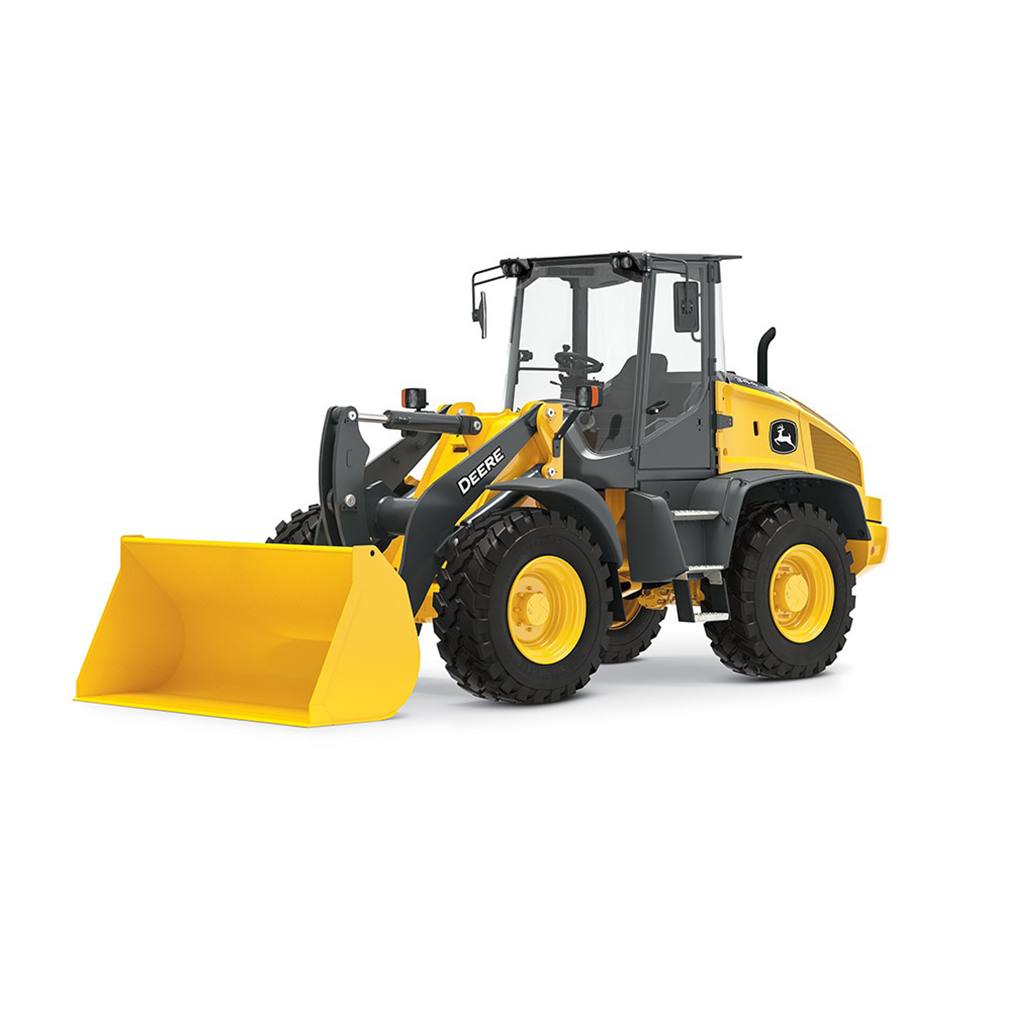
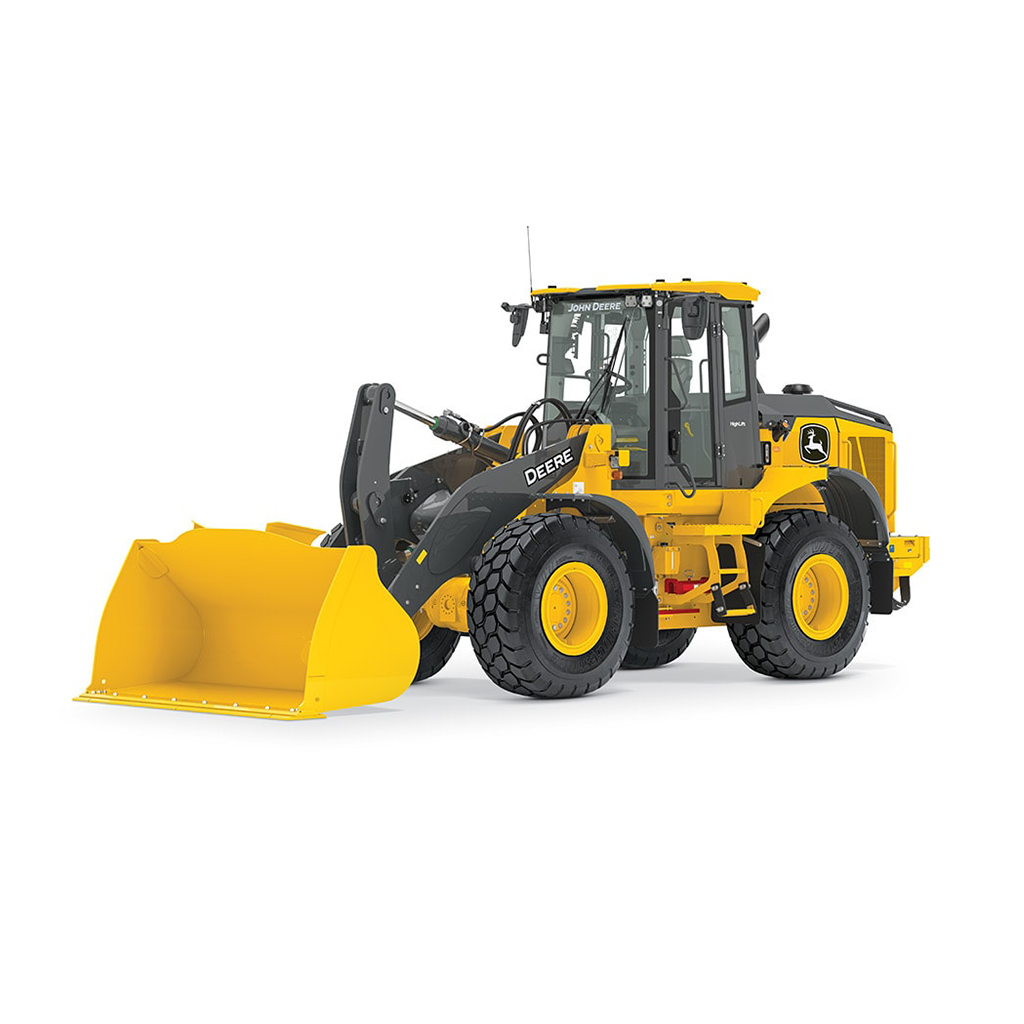
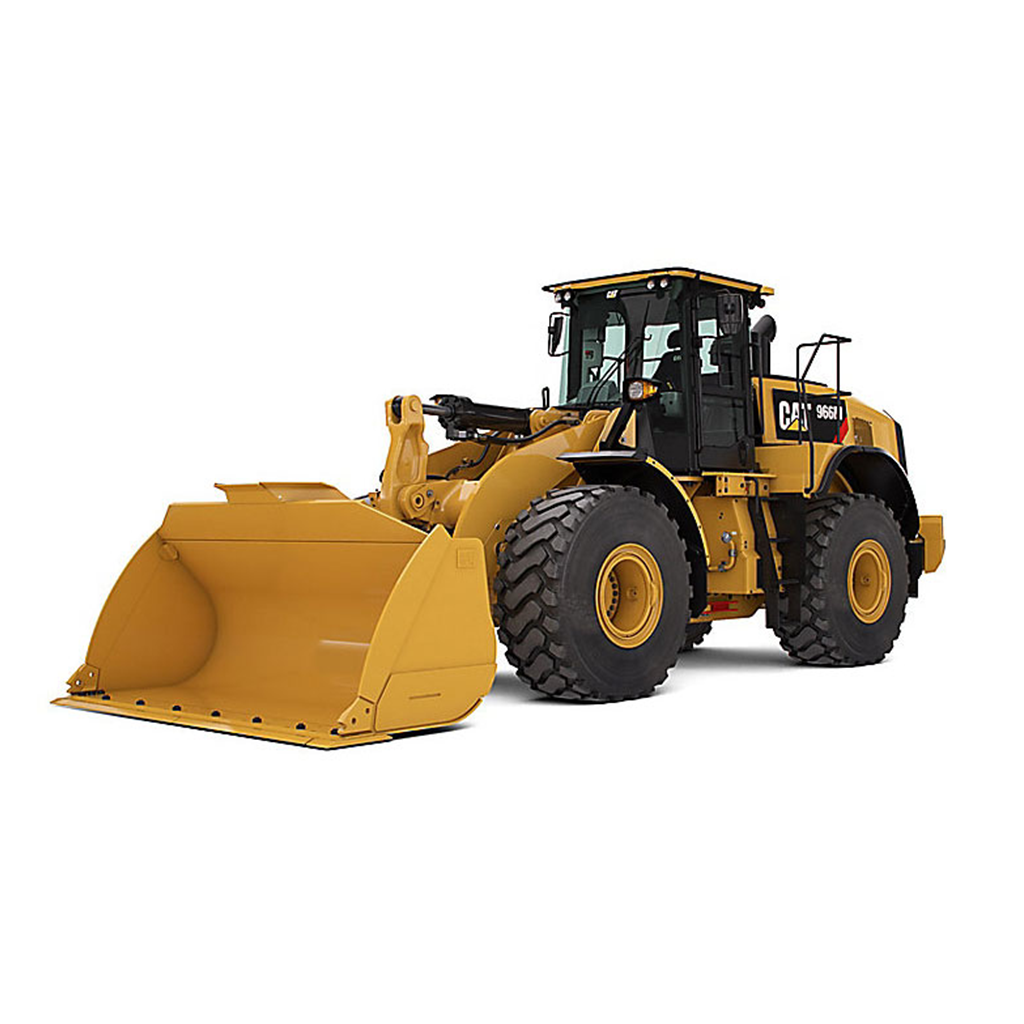
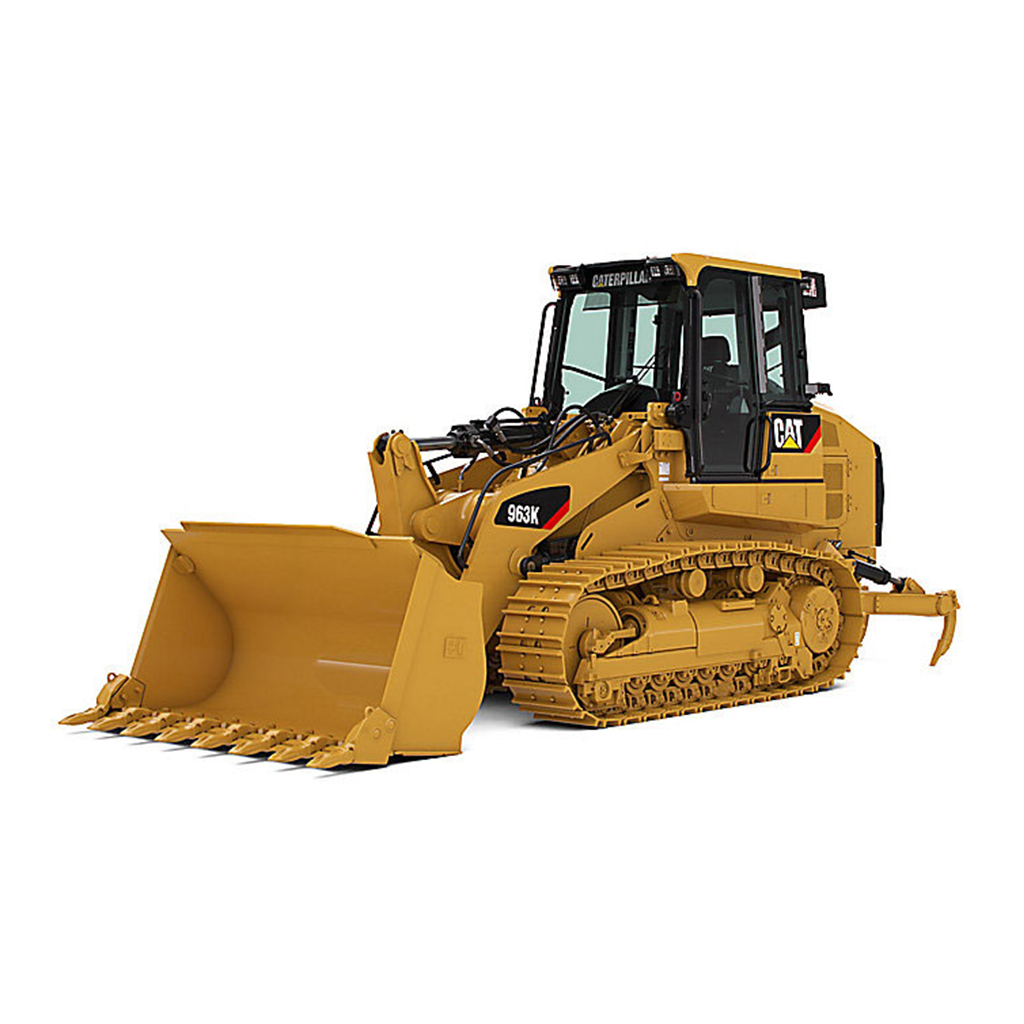
About Loaders in St Cloud
Loaders are versatile pieces of heavy equipment designed for moving and loading materials such as soil, gravel, and debris. Often used in construction, landscaping, and mining, they come in various sizes and types, including wheel and track loaders. Their powerful lifting capabilities and maneuverability make them essential for any project requiring heavy lifting and material handling.
Common Uses
Loaders are ideal for tasks involving excavation, grading, and transporting materials on job sites. They are commonly employed in construction projects for loading trucks, clearing debris, and reshaping landscapes. Additionally, loaders can be equipped with various attachments, such as forks or buckets, to enhance their functionality, making them suitable for diverse applications in agriculture, waste management, and more.
Choosing the Right Loaders
Choosing the right size loader depends on the scale and nature of your project. Smaller compact loaders are perfect for tight spaces and residential jobs, while larger wheel and track loaders are suited for heavy-duty tasks in expansive areas. Consider factors such as load capacity, lift height, and operating weight to ensure you select a loader that meets your specific needs without compromising efficiency.
Renting in St Cloud
When renting a loader, assess the duration of your project and choose a rental period that aligns with your timeline to avoid unnecessary costs. Always inspect the equipment before use to ensure it’s in good working condition and familiarize yourself with its controls for safe operation. Lastly, inquire about rental insurance options to protect against potential damages during your rental period.
Equipment Rental in St Cloud, MN
St. Cloud's economy is driven by manufacturing, healthcare, and retail, with ongoing construction projects contributing to its growth. The city is experiencing a surge in residential and commercial developments, which elevates the demand for heavy equipment rentals. Contractors and builders in St. Cloud rely on rental services to access the latest machinery without the burden of ownership costs. This flexibility allows them to take on a variety of projects, from road construction to building renovations, ensuring they meet the needs of the growing community. With its strategic location and expanding infrastructure, St. Cloud is poised for continued development, making equipment rental a vital resource.
Frequently Asked Questions
What types of loaders are available for rent?
There are several types of loaders available for rent, including wheel loaders, track loaders, and compact loaders. Each type is suited for different applications and environments, so consider your project's specific requirements when choosing.
How do I determine the right loader size for my project?
To determine the right loader size, assess the volume and weight of the materials you will be handling, as well as the space constraints of your job site. Consulting with rental experts can also help you make an informed decision.
Are attachments available for loaders?
Yes, many rental companies offer a variety of attachments for loaders, including buckets, forks, and grapples. These attachments can increase the loader's versatility, allowing you to perform a wider range of tasks.
What safety measures should I take when operating a loader?
Always wear appropriate personal protective equipment, such as hard hats and safety boots. Additionally, conduct a pre-operation inspection of the loader, adhere to weight limits, and ensure that all operators are trained and competent in using the equipment.
Equipment Rentals
Local Rental Providers
Flexible Rates
Daily · Weekly · Monthly
Phone Support 24/7
Support Lines Always Open
Secure Booking
Easy and Safe Transaction