Articulating Booms
30ft Articulating Boom35ft Articulating Boom40ft Articulating Boom45ft Articulating Boom60ft Articulating Boom80ft Articulating Boom125ft Articulating Boom135ft Articulating Boom150ft Articulating BoomWarehouse Forklift
5,000 lb. Warehouse ForkliftDual Fuel6,000 lb. Warehouse ForkliftDual Fuel8,000 lb. Warehouse ForkliftDual Fuel10,000 lb. Warehouse ForkliftDiesel12,000 lb. Warehouse ForkliftDiesel15,000 lb. Warehouse ForkliftDiesel20,000 lb. Warehouse ForkliftDieselTelescopic Handler
18 ft. Reach – 5,000 lb. Telehandler19 ft. Reach – 5,000 lb. Telehandler36 ft. Reach – 6,000 lb. Telehandler42 ft. Reach – 6,000 lb. Telehandler42 ft. Reach – 8,000 lb. Telehandler43 ft. Reach – 8,000 lb. Telehandler43 ft. Reach – 9,000 lb. Telehandler55 ft. Reach – 10,000 lb. TelehandlerNEW55 ft. Reach – 12,000 lb. Telehandler
Trenchers in Cuyahoga Falls, OH
Cuyahoga Falls, Ohio, offers a thriving marketplace for heavy equipment rental, catering to the needs of local contractors and DIY enthusiasts alike. With its rich history and strategic location near Akron, the city is an ideal hub for construction and development activities.
Trenchers Models Available Near Cuyahoga Falls
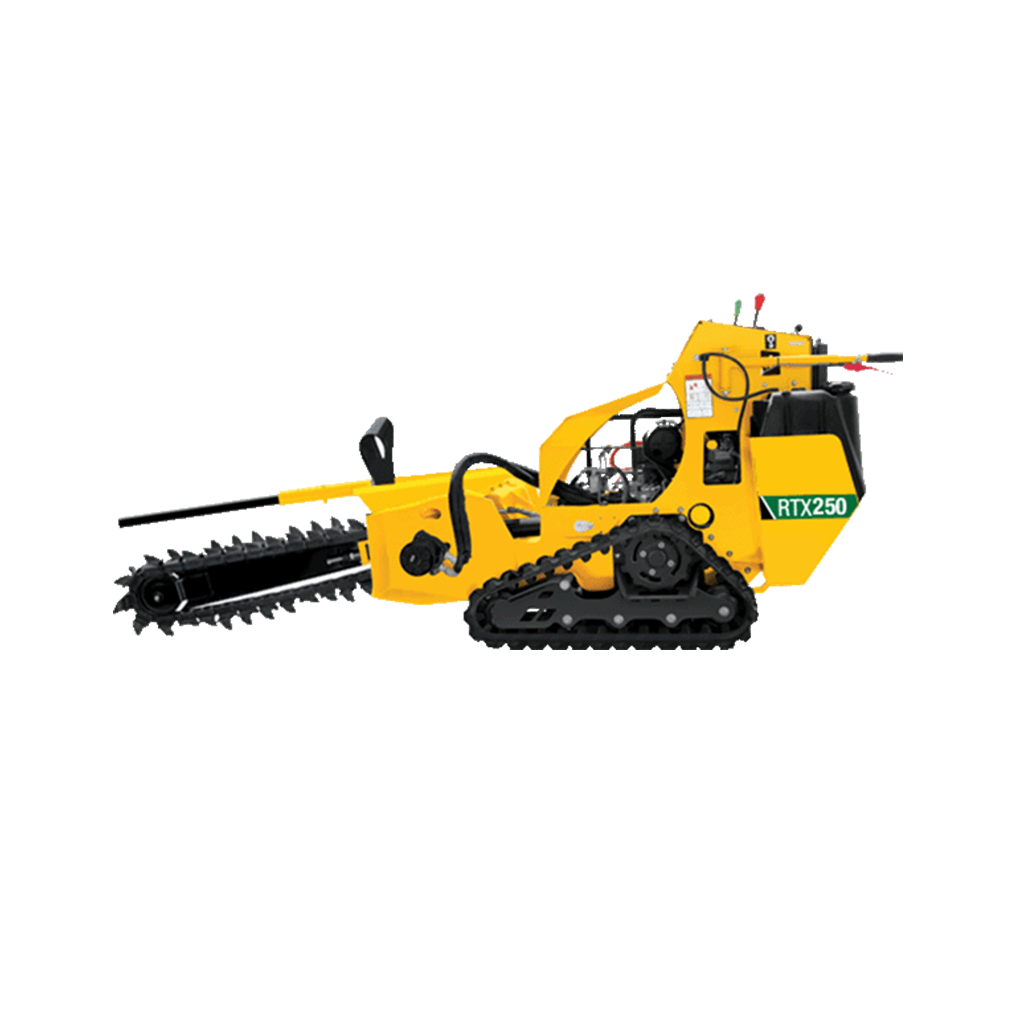
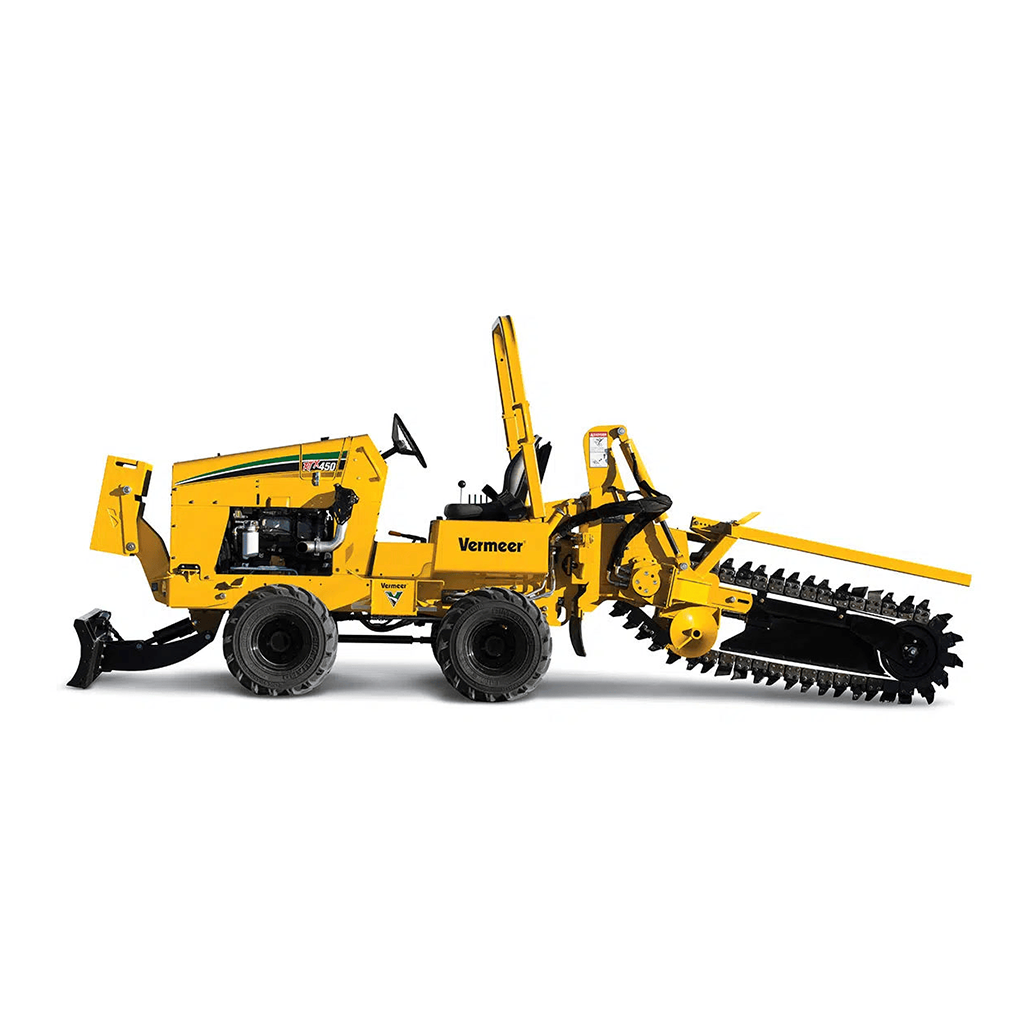
About Trenchers in Cuyahoga Falls
Trenchers are essential pieces of equipment designed for digging trenches efficiently and effectively. They come in various sizes and configurations, including walk-behind and ride-on models, making them suitable for both small residential projects and large commercial excavations. With a powerful digging chain, trenchers can handle a variety of soil types, making them ideal for installing utilities, drainage systems, or irrigation lines.
Common Uses
Trenchers are commonly used in construction, landscaping, and utility installation. They are perfect for digging trenches for water and sewer lines, electrical conduits, and irrigation systems. Additionally, landscapers use trenchers to create narrow trenches for planting trees and shrubs or installing drainage systems to prevent water pooling in yards.
Choosing the Right Trenchers
When selecting a trencher, it's important to consider the depth and width of the trench you need to dig. Smaller walk-behind trenchers typically dig up to 36 inches deep and are suitable for residential projects, while larger ride-on models can dig deeper and wider trenches, often exceeding 60 inches in depth. Always evaluate the soil conditions and the size of the project to choose the appropriate trencher for your needs.
Renting in Cuyahoga Falls
Before renting a trencher, assess the specific requirements of your project, including trench dimensions and soil type. It's also wise to inquire about the rental company's maintenance practices to ensure the equipment is in good working condition. Familiarize yourself with the trencher's operation and safety features, as proper handling is crucial for efficient and safe digging.
Equipment Rental in Cuyahoga Falls, OH
Cuyahoga Falls is experiencing significant growth in various industries, particularly construction and infrastructure development. As a suburb of the Akron metropolitan area, it benefits from ongoing urban projects and revitalization efforts, making equipment rental essential for contractors looking to complete jobs efficiently. The availability of heavy machinery allows local businesses to tackle both small and large-scale projects, boosting the economy and providing job opportunities. With a population of over 51,000, the demand for residential and commercial development continues to rise, underscoring the importance of reliable equipment rental services in the area.
Rental Yards Serving Cuyahoga Falls, OH
Frequently Asked Questions
What types of projects are trenchers suitable for?
Trenchers are suitable for a variety of projects, including utility installations, drainage systems, and landscaping tasks. They are particularly effective for digging narrow and deep trenches in both residential and commercial settings.
How deep can a trencher dig?
The digging depth of a trencher varies by model. Smaller walk-behind trenchers can typically dig up to 36 inches deep, while larger ride-on trenchers can reach depths of 60 inches or more, depending on the project requirements.
Do I need any special training to operate a trencher?
While basic operation of a trencher can be learned quickly, it is recommended to undergo a brief training session to understand the equipment's features and safety protocols. Familiarity with the specific model you are renting is also essential for safe operation.
Can trenchers operate in all soil types?
Trenchers can handle a variety of soil types, including clay, sand, and loam. However, extremely rocky or compacted soils may require specialized equipment or additional preparation to ensure effective digging.
Equipment Rentals
Local Rental Providers
Flexible Rates
Daily · Weekly · Monthly
Phone Support 24/7
Support Lines Always Open
Secure Booking
Easy and Safe Transaction