Articulating Booms
30ft Articulating Boom35ft Articulating Boom40ft Articulating Boom45ft Articulating Boom60ft Articulating Boom80ft Articulating Boom125ft Articulating Boom135ft Articulating Boom150ft Articulating BoomWarehouse Forklift
5,000 lb. Warehouse ForkliftDual Fuel6,000 lb. Warehouse ForkliftDual Fuel8,000 lb. Warehouse ForkliftDual Fuel10,000 lb. Warehouse ForkliftDiesel12,000 lb. Warehouse ForkliftDiesel15,000 lb. Warehouse ForkliftDiesel20,000 lb. Warehouse ForkliftDieselTelescopic Handler
18 ft. Reach – 5,000 lb. Telehandler19 ft. Reach – 5,000 lb. Telehandler36 ft. Reach – 6,000 lb. Telehandler42 ft. Reach – 6,000 lb. Telehandler42 ft. Reach – 8,000 lb. Telehandler43 ft. Reach – 8,000 lb. Telehandler43 ft. Reach – 9,000 lb. Telehandler55 ft. Reach – 10,000 lb. TelehandlerNEW55 ft. Reach – 12,000 lb. Telehandler
Excavators in Kearns, UT
Kearns, Utah offers a robust marketplace for heavy-equipment rental, catering to both local contractors and DIY enthusiasts. With a growing demand for construction and development, renting equipment provides flexibility and cost-effectiveness for various projects.
Excavators Models Available Near Kearns
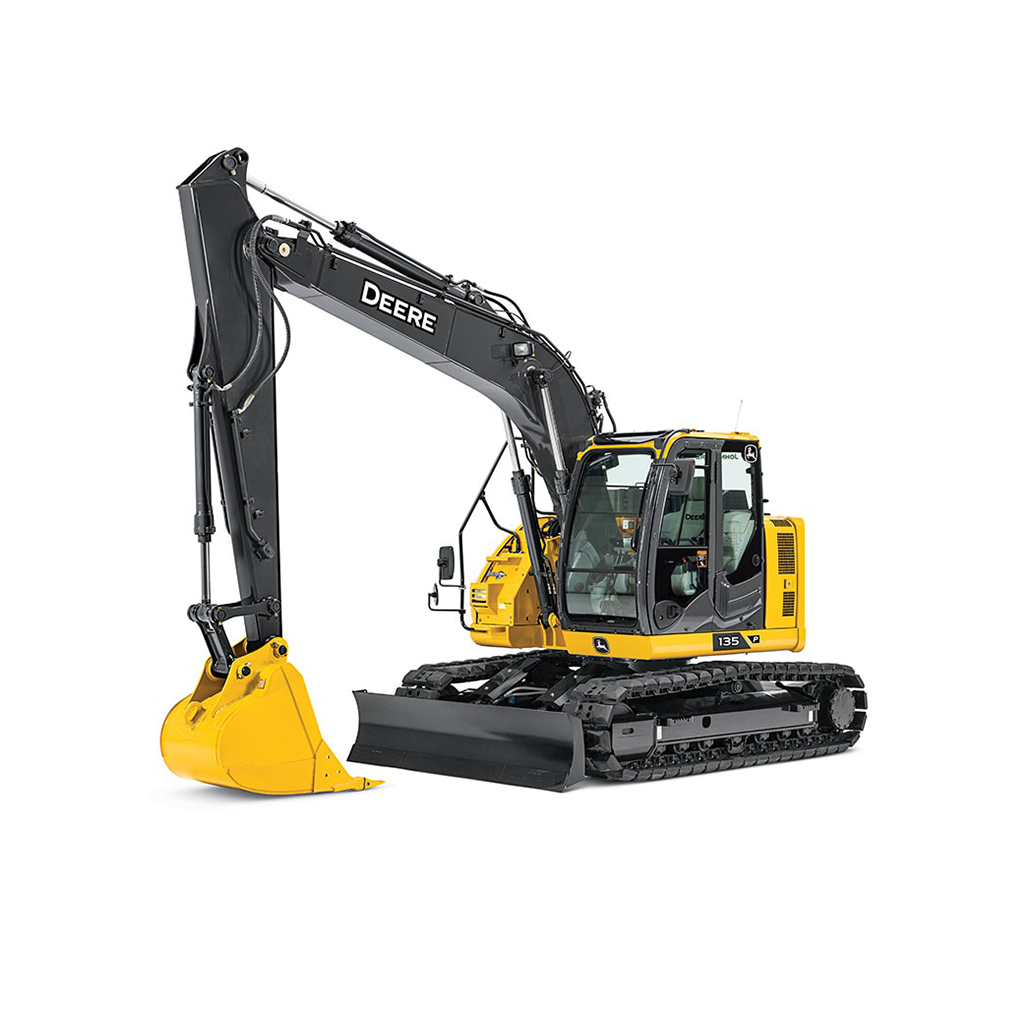
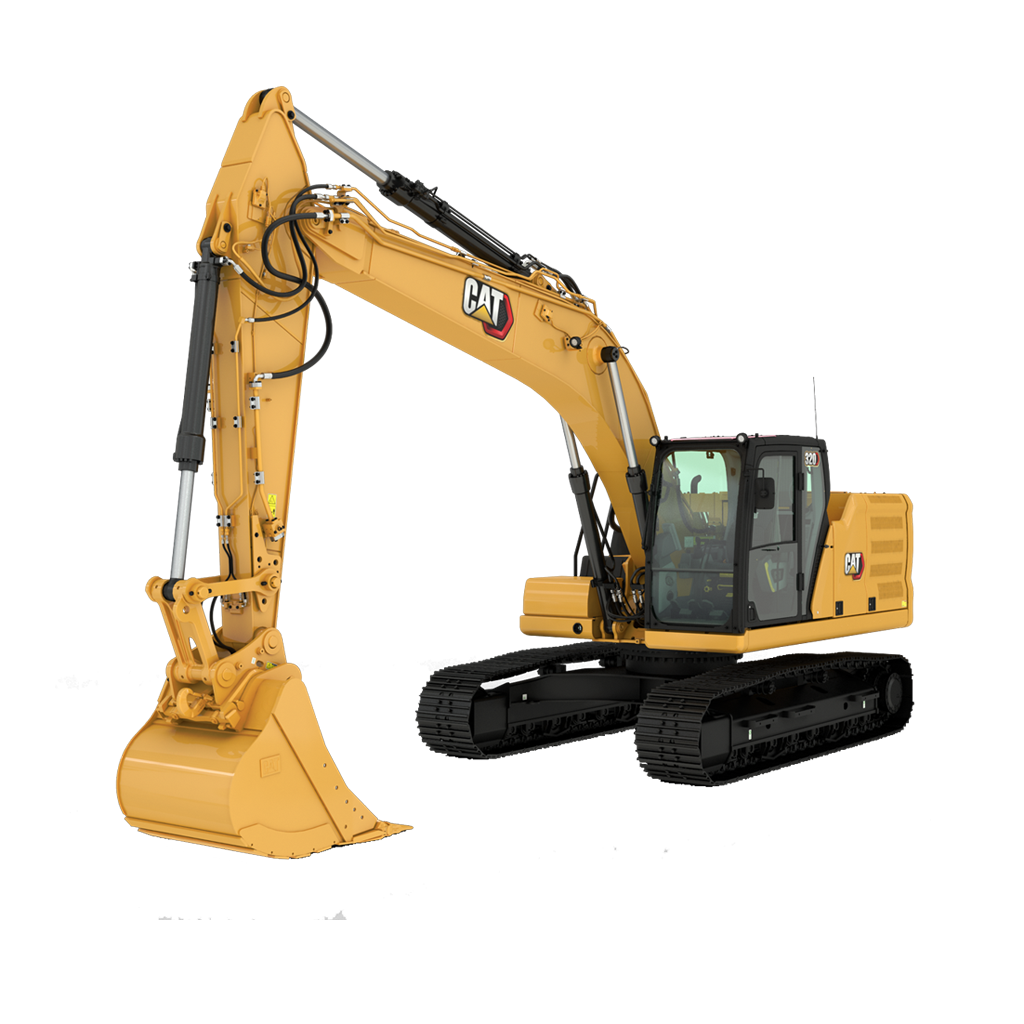
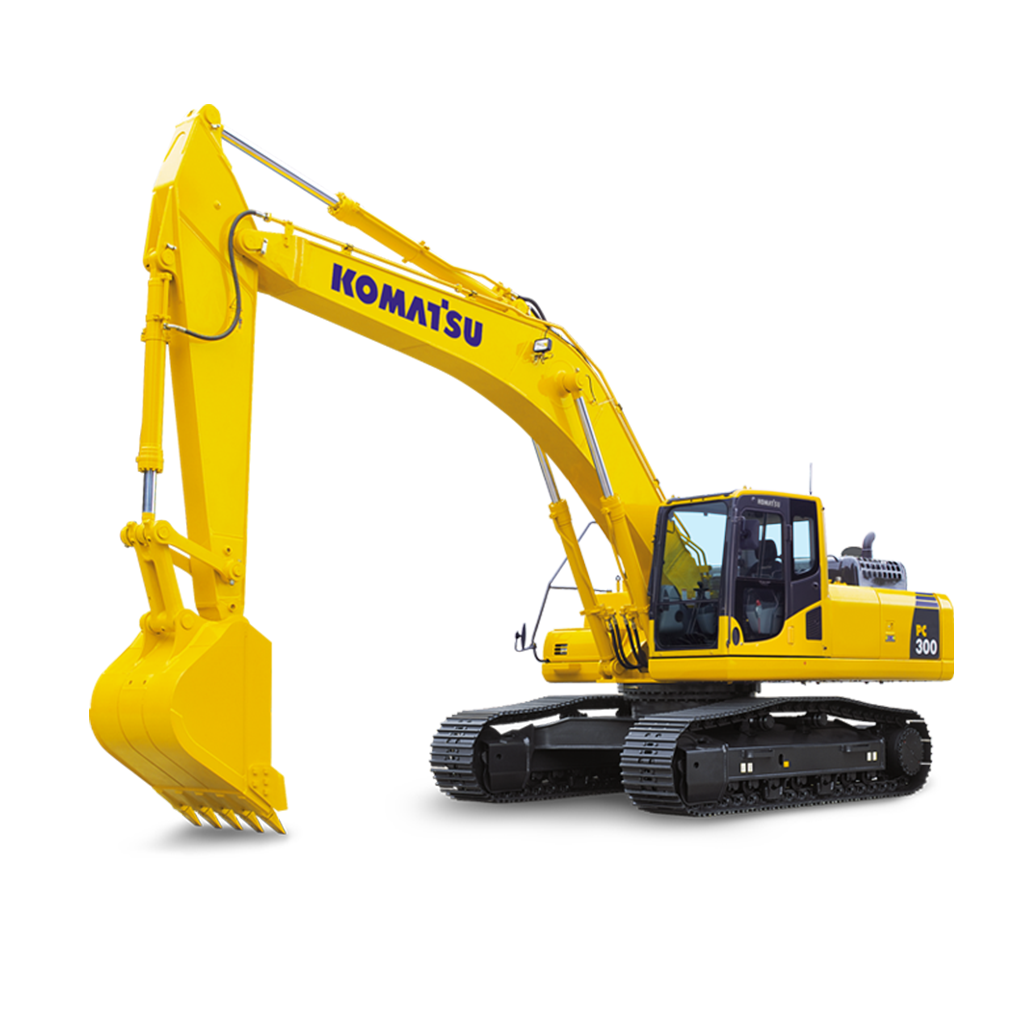
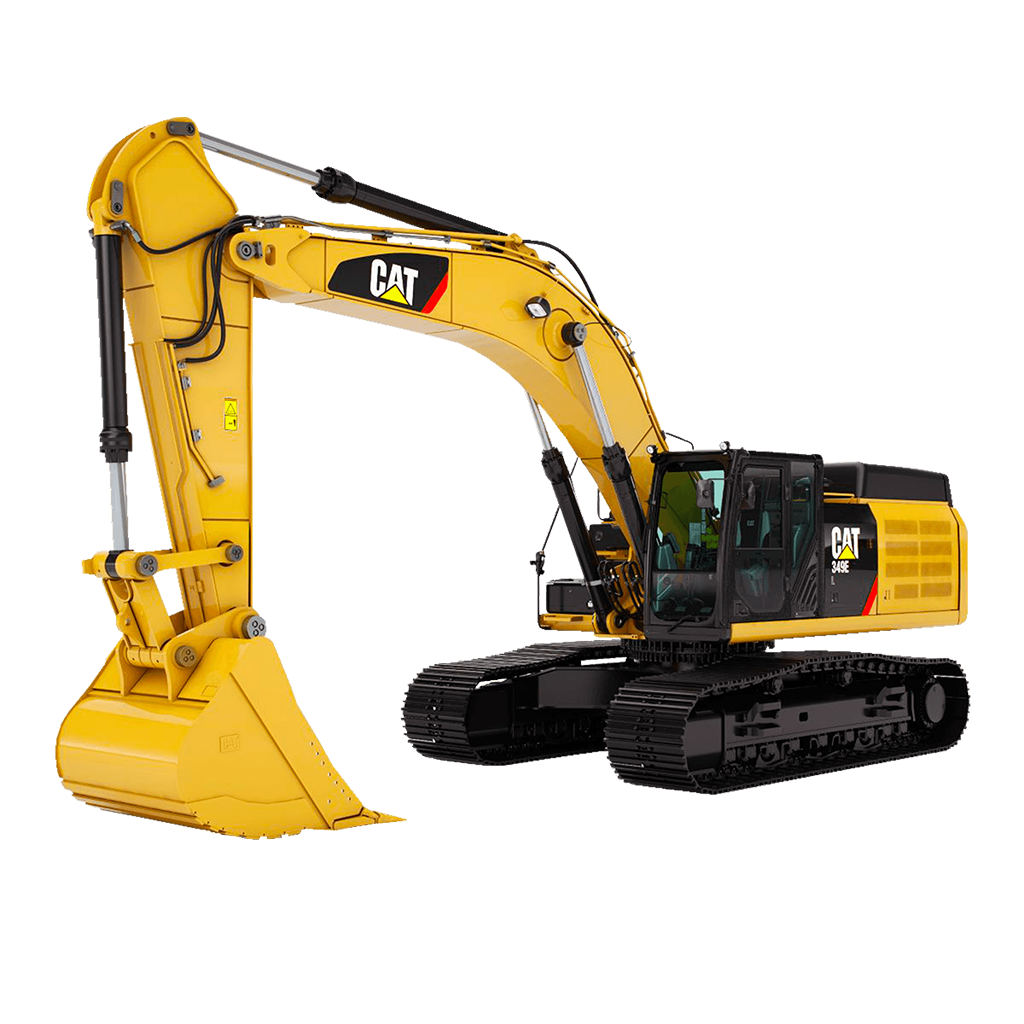
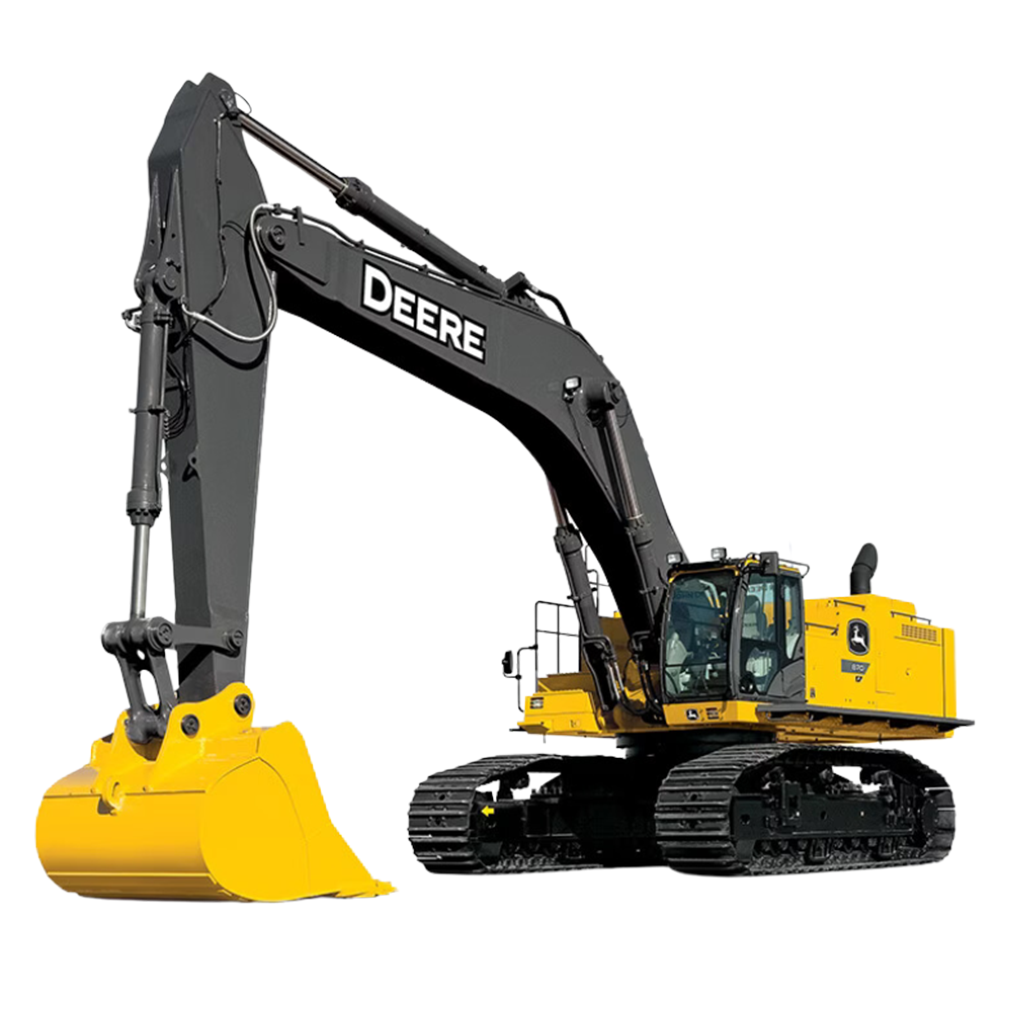
About Excavators in Kearns
Excavators are versatile heavy equipment designed for digging, trenching, and material handling. They come in various sizes and configurations, including compact, standard, and large models, making them suitable for a wide range of projects, from small landscaping tasks to large-scale construction. Equipped with a rotating cab and a powerful arm, excavators can perform tasks efficiently and accurately, making them an essential tool in the construction and excavation industries.
Common Uses
Excavators are commonly used in construction, landscaping, and demolition projects. They are ideal for digging foundations, grading land, and removing debris. Additionally, excavators are utilized in road construction and utility installations, where precise excavation is necessary. Their adaptability with various attachments, such as buckets, hammers, and grapples, further enhances their functionality across different job sites.
Choosing the Right Excavators
When selecting an excavator for rental, consider the scale of your project and the type of work involved. Compact excavators are suitable for smaller jobs and tight spaces, while standard and large excavators are designed for heavy-duty tasks and larger job sites. It’s also important to assess the weight capacity and reach of the machine to ensure it meets your project's specific requirements. Always consult with rental professionals to find the right size and model for your needs.
Renting in Kearns
Before renting an excavator, evaluate the project site and determine the necessary attachments you may need for optimal performance. It's advisable to review rental agreements carefully, including maintenance policies and insurance coverage, to avoid unexpected costs. Additionally, ensure that your operators are trained and familiar with the equipment to maximize efficiency and safety on the job site. Lastly, plan for transportation logistics to and from the job site to streamline the rental process.
Equipment Rental in Kearns, UT
Kearns is part of the Salt Lake City metropolitan area, which is experiencing significant growth in industries such as construction, manufacturing, and logistics. The city's ongoing development projects, including residential and commercial spaces, create a high demand for heavy equipment. Renting machinery allows local businesses to take on larger projects without the burden of purchasing and maintaining expensive equipment. As Kearns continues to evolve, the equipment rental market plays a crucial role in supporting the local economy and facilitating efficient project completion.
Rental Yards Serving Kearns, UT
Frequently Asked Questions
What types of excavators are available for rent?
Rental companies typically offer a range of excavators, including compact, standard, and large models. They may also provide various attachments to suit different tasks, such as digging buckets, hydraulic hammers, and augers.
How do I choose the right size of excavator for my project?
Consider the scope of your project, the type of terrain, and the depth of excavation required. Compact excavators are great for tight spaces, while larger models are more suitable for extensive earthmoving tasks or uneven terrain.
Do I need a special license to operate an excavator?
Yes, operating an excavator typically requires a valid operator’s license or certification, depending on local regulations. It’s important to ensure that all operators are properly trained and certified to ensure safety and compliance.
What should I do if the excavator breaks down during my rental period?
If the excavator experiences mechanical issues, contact the rental company immediately. Most rental agreements include maintenance support, and the company will provide guidance on repairs or replacement to minimize downtime.
Equipment Rentals
Local Rental Providers
Flexible Rates
Daily · Weekly · Monthly
Phone Support 24/7
Support Lines Always Open
Secure Booking
Easy and Safe Transaction